
If you need hosting for one to five ordinary WordPress, business or portfolio sites, GreenGeeks Lite is the sensible starting point. Choose Pro when you need more than five sites, more email capacity or more shared resources. The main tradeoff is the renewal bill: the first 12-month payment is far below the regular rate, so the long-term cost matters more than the opening promotion.
GreenGeeks' environmental statement rests on renewable energy certificates purchased through Bonneville Environmental Foundation and tree planting through One Tree Planted. That is different from saying your individual website runs directly on renewable electricity.
Before paying, write down your website count, storage needs, expected email volume and where most visitors live. Then compare the first-term payment with the renewal amount for the term you select, and confirm the data center, domain eligibility and refund exclusions at checkout. Our GreenGeeks pricing page lays out each plan.
Key takeaways
- Choose Lite for up to five sites, Pro for unlimited sites and more email, and Premium for heavier shared-hosting needs.
- GreenGeeks shared plans renew at $13.95, $18.95 and $30.95 a month for Lite, Pro and Premium.
- The green claim covers REC purchases through BEF and tree planting through One Tree Planted, not direct renewable electricity for each website.
- "Unlimited" websites, email and databases remain subject to storage, inodes, CPU, memory, email and acceptable-use limits.
- Treat the 30-day money-back guarantee as a refund policy, not a free trial.
What do you need to decide before signing up for GreenGeeks?
Start with whether GreenGeeks solves a hosting problem or a website-building problem. It provides shared hosting, managed WordPress-related options, reseller hosting, VPS hosting, domains, SSL, CDN, backups and migration support. It does not replace a website builder, design tool, email marketing service or SEO platform.
For a normal WordPress website, the shared plans are the main choice. Lite allows five websites and lists 25 GB of storage. Pro and Premium allow unlimited websites, with 50 GB and 100 GB of storage. That difference matters if you host many client sites, separate a shop from a blog, or expect a growing media library.
Email needs also shape the choice. Lite lists 50 email accounts and 100 outgoing emails per hour. Pro and Premium list unlimited accounts, with hourly sending limits of 300 and 500 emails. Those figures suit ordinary business email, not bulk newsletters, which belong with a separate email marketing service.
GreenGeeks lists data centers in Chicago, Montreal, Amsterdam and Singapore. For a US audience, Chicago is the listed US option. Put the data center near most visitors when possible, then confirm the location on the order screen.
If your site needs isolated resources, server-level control or a high-volume application, compare VPS hosting rather than expecting a shared plan to scale indefinitely. Confirm the complete VPS invoice and renewal rate on GreenGeeks' VPS page before you buy.
Which GreenGeeks shared plan fits your site?
If you are hosting one small site or a handful, Lite covers the basics. It lists five websites, 25 GB of storage, 50 email accounts, 200,000 inodes, two CPU cores, 1 GB of memory and 10 MB/s disk I/O. Inodes are the individual files and folders on the account, so a site with many small files can hit that limit before it uses all its storage.

Lite suits a small business site, personal blog or portfolio when you do not need large media storage or many mailboxes. WordPress is available in the hosting environment, but the plan does not remove the usual work of managing themes, plugins, updates, security and content.
Pro is the practical choice for a freelancer, a small business with many sites or a household running several projects. It lists unlimited websites, 50 GB of storage, unlimited email accounts, 400,000 inodes, three CPU cores, 2 GB of memory and 15 MB/s disk I/O. "Unlimited" applies to the number of sites and mailboxes, not to the physical capacity of the server.
Premium is for a larger collection of sites or heavier resource needs. It lists 100 GB of storage, 600,000 inodes, four CPU cores, 3 GB of memory and 20 MB/s disk I/O. That extra capacity helps when several sites share one account, but it does not create the isolation of a VPS.
All three plans list free Let's Encrypt SSL, unlimited MySQL databases, Cloudflare CDN, nightly backups and a free domain for the first year. The domain applies only to eligible registrations and is not a permanent discount.
For a store, membership site or client portfolio, estimate storage and traffic before paying. A visual editor, ecommerce system, design assets or SEO software are separate decisions with their own limits and costs.
What does GreenGeeks cost now and at renewal?
The renewal price is the number to plan around. Every shared plan is priced on a 12-month term paid upfront, and GreenGeeks is running a Black Friday sale on top of its regular first-year price. Sale prices were checked November 7, 2026, and regular first-year prices October 29, 2026.
Sale prices change, so read the amount due today and the renewal amount on the order page right before you pay. If you choose a 24-month or 36-month term, check the full invoice and the renewal rate for that term first. A multi-year purchase is a prepayment, not a monthly payment.
GreenGeeks' reseller plans are a different product family, with prices checked November 7, 2026. RH-25 lists 60 GB of storage and 25 cPanel accounts at $19.95 a month for the first 12 months, which works out to $239.40, and renews at $34.95 a month. RH-50 is $24.95 a month, which works out to $299.40, and renews at $49.95. RH-80 is $34.95 a month, which works out to $419.40, and renews at $69.95.
Reseller plans make sense when you host sites for clients and need separate cPanel accounts. They are not a cheaper way to run one personal site.
The 30-day money-back guarantee is a refund window for eligible hosting. It is not a free trial, and you still pay the first invoice. Domains, add-ons, setup fees, dedicated servers and renewal charges are excluded.
See GreenGeeks's current plans after checking the selected term and renewal amount.
What does GreenGeeks' green hosting claim cover?
If the environmental claim affects your choice, treat it as a company purchasing and tree-planting commitment. GreenGeeks says Bonneville Environmental Foundation calculates its annual energy use and carbon footprint, then purchases renewable energy certificates equal to three times the electricity used in that calculation.
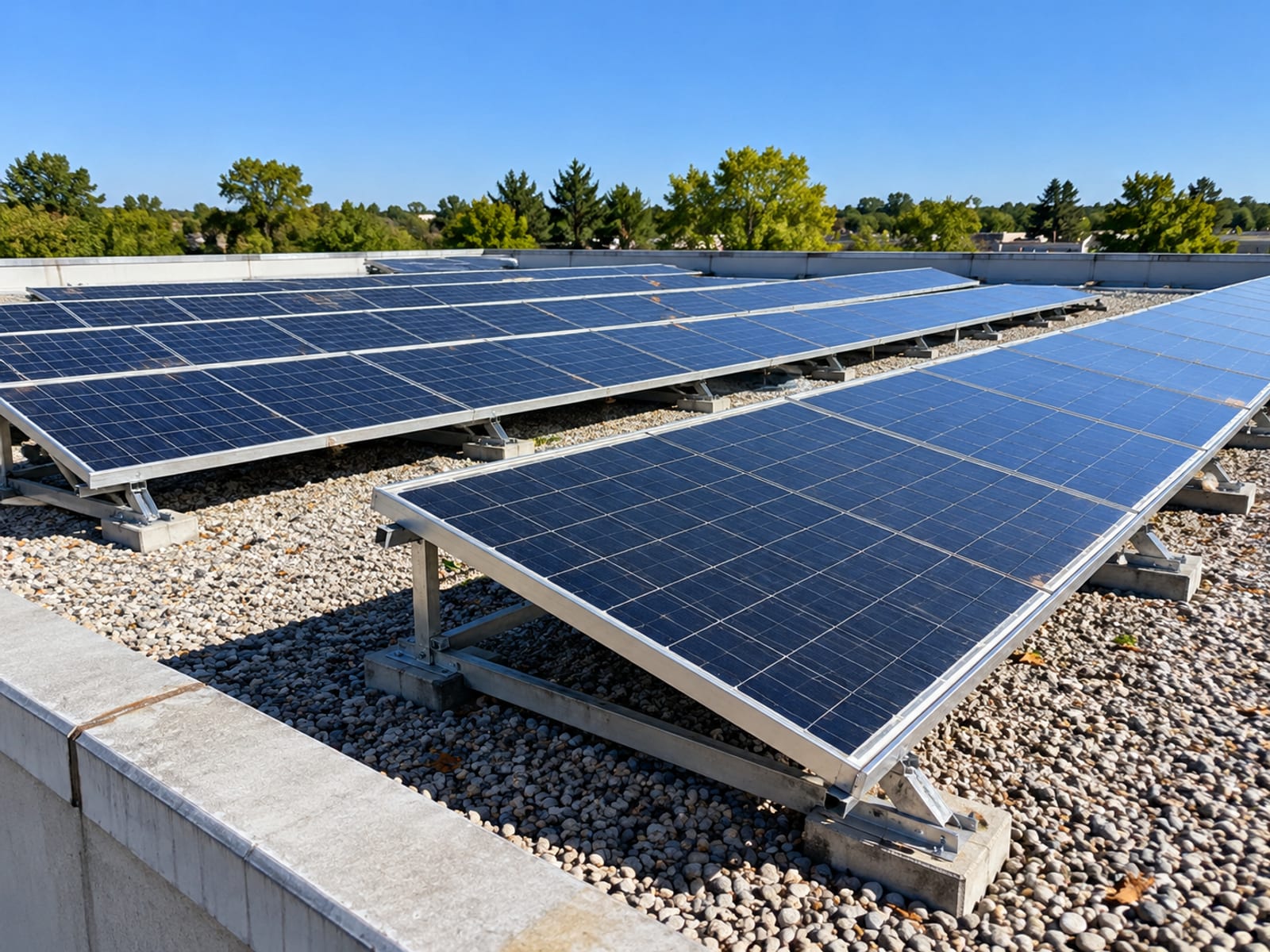
GreenGeeks describes the three-times purchase as covering its own consumption and that of two other companies of the same size. It also says One Tree Planted plants one tree for every activated hosting account, and that the US Environmental Protection Agency has recognized it as a Green Power Partner since 2009.
A renewable energy certificate represents the environmental attributes of renewable electricity generation. It does not mean the electricity reaching a particular data center or website came directly from a renewable generator. The accurate way to put it is REC purchases through BEF and tree planting through One Tree Planted.
That does not make the claim meaningless. If you want hosting that fits an environmental policy, GreenGeeks gives you a documented company position to point to. If you need to say your own website is directly powered by renewable electricity or is carbon neutral, GreenGeeks' claim does not say that.
Weigh the commitment against plan fit, renewal cost, support and data-center location. A lower environmental preference does not make up for a plan that lacks the storage, email capacity or resources your site needs.
How do support, data centers, backups and uptime work?
GreenGeeks lists live chat and support tickets as available 24/7. Telephone support runs from 9 a.m. to midnight Eastern Time every day, and support is provided in English.

The shared plans advertise nightly backups, but a backup helps only if the retention period, restore process and any restore cost fit your needs. Keep your own copy of the website files, database and email before a move or cancellation. GreenGeeks' terms also restrict using the account as a backup repository or archived-mail store.
Chicago is the listed US data center, the natural choice for many US audiences. A closer location can reduce distance for visitors, but it does not guarantee a particular loading time.
GreenGeeks states a 99.9% network uptime guarantee. That is a contract with its own terms and possible credits, not a promise that your site will never go down. Hostingstep reported 99.96% uptime for GreenGeeks Lite in Chicago from October 1, 2025 through May 31, 2026, using Pingdom monitoring, 1,440 checks per day and a WordPress test environment. That measurement applies to the tested plan, location and period. During an outage, check GreenGeeks' status page before changing DNS or moving a business-critical site.
What are the limits behind unlimited hosting?
Unlimited websites, databases and email accounts make Pro and Premium easier to manage, but the word does not mean infinite server capacity. GreenGeeks says these features are intended for normal website operation and remain subject to physical server capacity and resource monitoring.
The fixed limits show what changes between plans. Lite lists 25 GB, 200,000 inodes, two CPU cores, 1 GB of memory and 100 emails per hour. Pro lists 50 GB, 400,000 inodes, three cores, 2 GB and 300 emails per hour. Premium lists 100 GB, 600,000 inodes, four cores, 3 GB and 500 emails per hour.
These limits bite in different ways. A photography site may use storage quickly. A site with many plugins or generated thumbnails may use inodes. Several busy sites may share CPU and memory. Business email is fine within the sending limits, while bulk newsletters belong with a dedicated email marketing service.
GreenGeeks' acceptable-use rules prohibit file-sharing sites, cryptocurrency mining, game servers, VPNs and onion-routing services. They also restrict large databases, excessive media and excessive email. Archived mail includes messages older than 30 days or email totaling 10 GB or more per cPanel account.
GreenGeeks may slow, suspend or terminate accounts that use excessive resources or disrupt other customers. That does not make a normal WordPress site unsuitable. It means you should compare your sites' actual size and activity with the plan limits.
What happens with refunds, auto-renewal and moving a site?
If you may leave GreenGeeks, save your site files, database and email before cancelling. A cancellation request can lead to hosting and website files being removed once it is processed. Hosting, domains and add-ons are cancelled separately, so cancelling hosting does not cancel every other service.

GreenGeeks requires you to disable auto-renewal at least five business days before renewal. The service may renew automatically 24 hours before the renewal date at the then-current renewal fee, and renewal notices normally go out 15 to 30 days ahead, depending on the service. Renewal charges are not refundable.
GreenGeeks cannot change DNS or nameserver settings at your previous provider, and it does not guarantee that a migration will succeed or that a site will stay available during the move. Before switching, follow the steps to move a WordPress site to a new host, and confirm whether the migration includes email accounts, databases, DNS changes and any special settings.
Which GreenGeeks alternative should you compare next?
GreenGeeks fits a reader who wants shared hosting, a first-year domain, nightly backups, several data-center choices and an environmental statement based on REC purchases and tree planting. Lite is the conditional pick for up to five modest sites. Pro is the stronger fit for more sites, provided its renewal price works for your budget.
Compare another host when you need a different renewal structure, managed WordPress support, cloud resources or a VPS with a clearly documented invoice. The GreenGeeks vs SiteGround comparison is the next useful step if you are choosing between two shared-hosting providers. For a wider plan comparison, use Best Web Hosting: Which Host Fits Which Site, With Renewal Prices.
If the main worry is the bill after the first term, read Web Hosting Renewal Prices: Why They Jump and How to Pay Less. If you are already moving, prepare the backup and email plan before cancelling the old account.
Frequently asked questions
Is GreenGeeks Lite suitable for a WordPress website?
Yes. Lite lists five websites, 25 GB of storage, 50 email accounts and 200,000 inodes, which suits an ordinary blog, portfolio or small business site. Choose another plan if you need more than five websites, more mailboxes or higher shared resource limits.
Does GreenGeeks include a free domain?
The shared plans list a free domain for the first year. It applies only to eligible registrations, and the domain is separate from the hosting renewal after that first year.
Is GreenGeeks' 30-day guarantee a free trial?
No. It is a money-back guarantee for eligible hosting cancellations made during the first 30 days. Domains, add-ons, setup fees, dedicated servers and renewal charges are excluded.
Does GreenGeeks back up websites every night?
GreenGeeks advertises nightly backups for the shared plans. Keep your own website, database and email copies, because the plan's backups do not replace an independent backup.
Can GreenGeeks host several websites on Lite?
Yes, up to five. Pro and Premium list unlimited websites, but their storage, inode, CPU, memory and disk I/O limits still apply.
Does "unlimited email" mean unlimited sending?
No. Pro and Premium list unlimited email accounts, but they also list hourly sending limits of 300 and 500 emails. Use a separate email marketing platform for bulk campaigns.
Can I cancel hosting without cancelling my domain?
Yes, cancellation applies separately to hosting, domains and add-ons. Check each service in the account, because cancelling hosting does not automatically cancel every related service.
What should I confirm before buying GreenGeeks VPS hosting?
Confirm the complete VPS invoice, included resources, term and renewal rate before purchase. The full ongoing cost depends on the VPS plan you pick and the order you place.
Which GreenGeeks data center should a US customer choose?
Chicago is the listed US data-center option. Select the location nearest most visitors when practical, then confirm it on the checkout screen.
Is GreenGeeks carbon neutral for my individual website?
The published claim covers REC purchases through BEF and tree planting through One Tree Planted. It does not say your individual website runs directly on renewable electricity or is itself carbon neutral.
Glossary
Find more reviews and guides on Even Reviews. Spotted something to correct? Contact us and include the page title.